Health knowledge base
Understanding your health
in plain language.
Research-backed articles on nutrition, sleep, hydration, and what your health data means.

Sleep Debt vs. Recovery: How Sleep Inconsistency Shows Up in Your Data
Sleep debt is not a total-hours problem. It is a consistency and recovery problem, and it shows up in cross-dimensional data — mood, energy, nutrition choices, activity recovery — days before it feels obvious.

What Hydration and Mood Have in Common (And What Your Data Shows)
Hydration affects mood more than most people realize — but the effect is delayed. Low water-intake days correlate with lower mood and energy 12–36 hours later. Here's how to see the pattern in your own data.
How to Use Awra's AI Narrative Across Multiple Weeks (Not Just One Day)
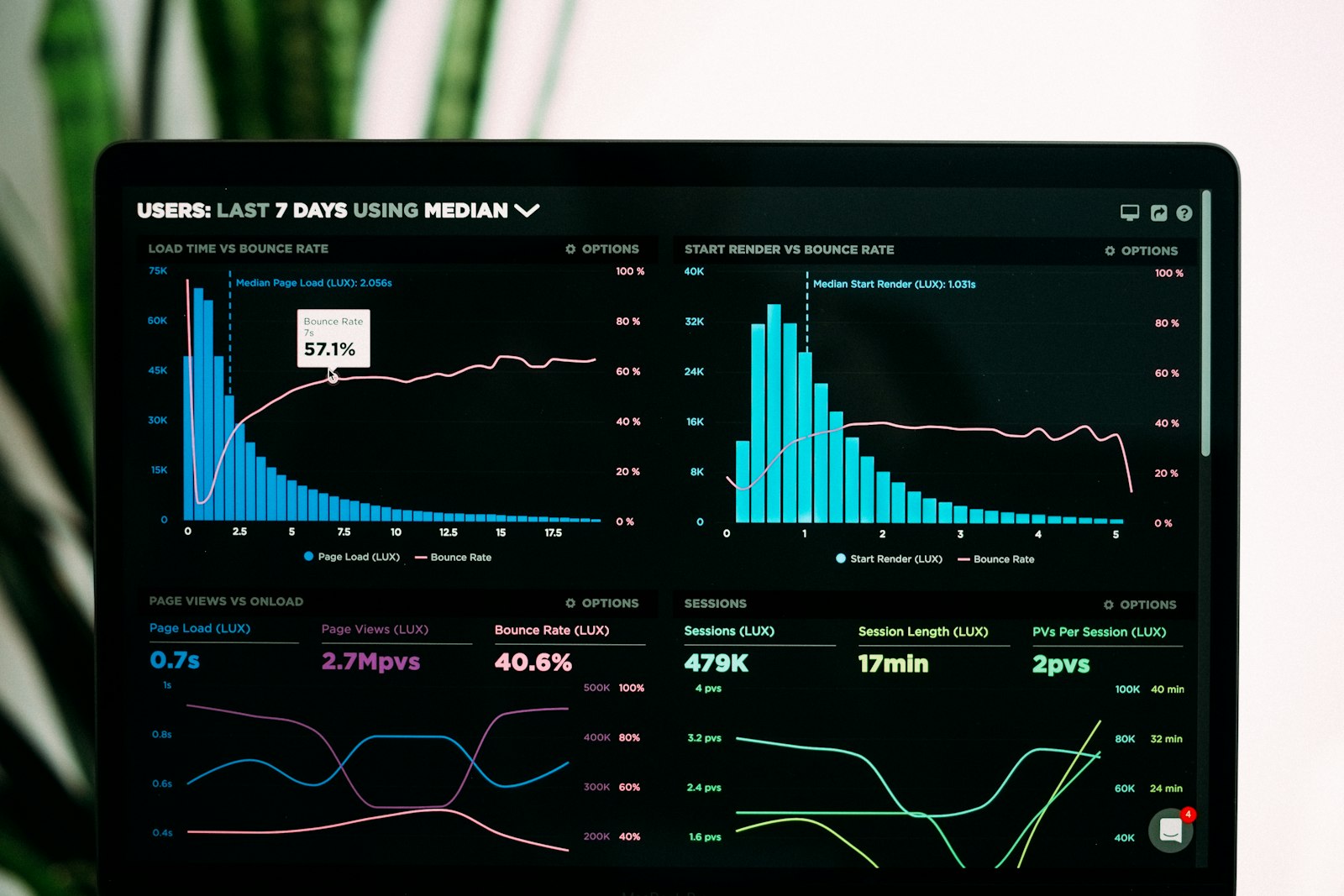
The AI narrative is most powerful as a longitudinal tool. Here's what to watch for across weeks, and how the patterns shift from day 7 to day 21 to month 1.

Mood, Nutrition, and Sleep: The Three-Way Pattern Most Trackers Can't Show
Mood, nutrition, and sleep form a feedback loop visible only in cross-dimensional health data. Here's what the pattern looks like and how to recognize it in your own tracking.

Your Weekend Health Patterns vs. Weekday: What the Data Gap Reveals
The Monday reset is not a feeling — it is a data event. Weekend and weekday routines produce two distinct rhythms across sleep, meals, hydration, and mood, and the gap between them is visible in cross-dimensional tracking.

Exercise vs. Rest Days: How Your Hydration Needs Actually Shift in Your Data
Hydration needs aren't fixed. They shift with activity, sleep quality, and temperature — and the gap between rest days and exercise days is wider than most people realize. See what the pattern looks like in your data.

Meal Timing and Your Internal Clock: What Circadian Alignment Looks Like in Data
Your meal timing directly influences sleep quality and energy. Here's what circadian alignment looks like in actual health tracking data — and how to spot the pattern in your own numbers.

Protein Timing and Energy: What Your Data Shows About When You Eat Matters
Total protein gets the attention. But the distribution across the day — front-loaded vs. back-loaded — appears alongside measurable differences in afternoon energy in research and tracking data.

Potassium and Muscle Recovery: The Pattern Most Athletes Never Track
Potassium is the third leg of the electrolyte triad — but almost never tracked. Its deficiency pattern appears in hydration, sleep, and recovery data long before a blood test catches it.

How Health Habits Show Up in Your Data Before You Notice Them
Before a habit feels automatic, it already appears in your data. Consistency signals in sleep timing, hydration, and nutrition precede the subjective sense of a habit being formed.

What Awra's AI Health Narrative Actually Shows You — And How to Use It
Awra's AI health narrative isn't a grade or a diagnosis. It's a pattern interpreter. Here's what data it reads, what it surfaces, and how to use it.

How Stress Shows Up in Health Data (Even Without a Stress Sensor)
Stress doesn't need a sensor to leave a trace. It shows up in your sleep, nutrition, hydration, and energy data — if you know where to look.

Your Morning Data Signature: What the First Hour of Tracking Reveals About Your Day
Sleep, hydration, breakfast — your morning data creates a signature that predicts afternoon energy. Here's what the research and your data show.

Sleep Quality vs. Sleep Duration: Which One Matters More?
Eight hours and still exhausted? Sleep duration is the number you count. Sleep quality is what determines how you feel. Here's what the research shows.

How Awra's AI Actually Works — A Plain-Language Explanation
Awra's AI explained without jargon: what data it reads, what it does and doesn't do, and how your data moves. Built around a rolling 7-day snapshot and GPT-4o, with no name or contact data attached.

Normal Resting Heart Rate by Age — And Why Yours Might Be Higher or Lower
What's a 'normal' resting heart rate for your age? Here's the data—plus why your number is unique and what changes mean.

Zinc and Iron: The Two Nutrients That Drive Energy Patterns Most Trackers Never Show
Iron deficiency is the most common nutritional shortfall globally. Zinc affects energy at the enzymatic level. Neither shows up in most tracking apps.
What Does My HRV Mean? A Practical Guide to Heart Rate Variability
HRV shows your body's stress resilience. Here's how to read it, what high vs. low means, and why it matters more than resting heart rate.

Why 14 Days of Tracking Changes What You Can See in Your Health Data
Seven days of health data reveals real patterns. Fourteen days makes them fully reliable — here is why a two-week window deepens what the first week already shows.
How to Read Your Apple Health Data (Without Getting Overwhelmed)
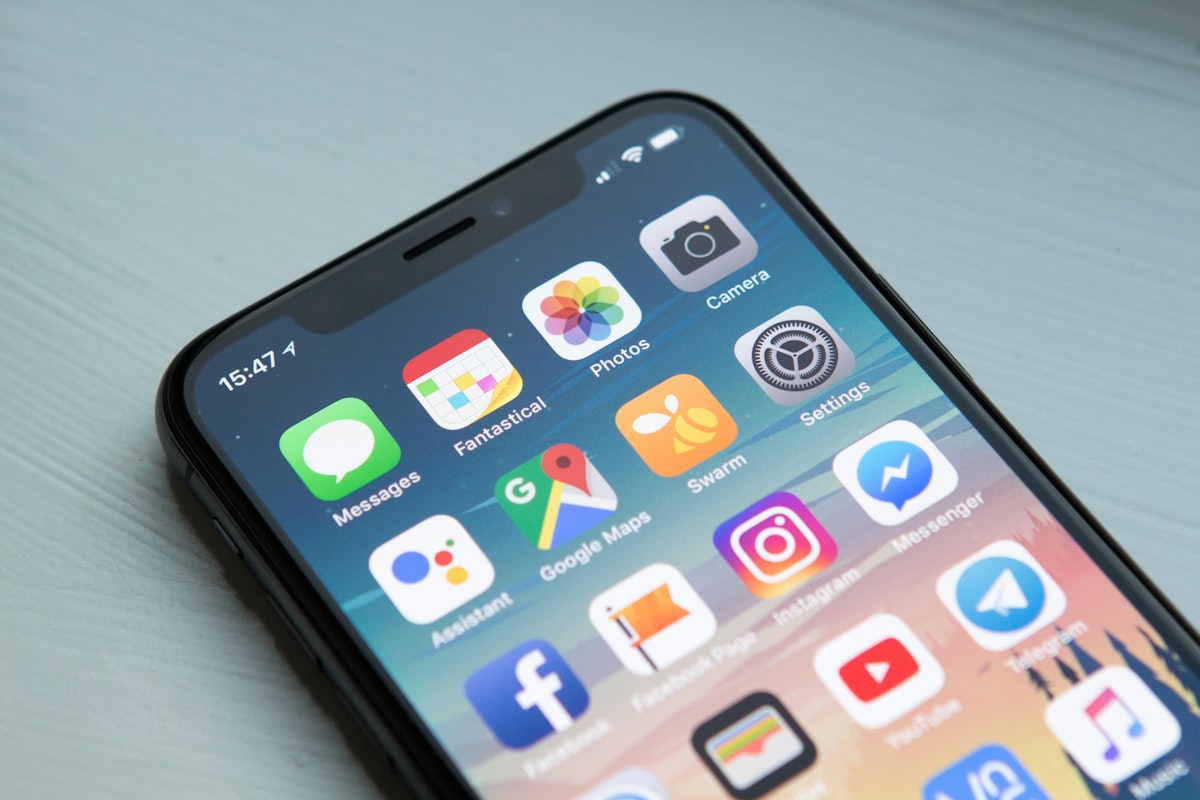
Apple Health tracks 100+ metrics. Here's where to find them, what they mean, and which ones actually matter for your health.

What Vitamin D Patterns Actually Tell You About Your Year-Round Energy
Vitamin D is the most seasonal micronutrient most adults never track. Here's what its absence looks like in your energy, sleep, and mood data.

What Happens When You Track Mood Alongside Your Other Health Data
Tracking mood alongside sleep, nutrition, and hydration reveals patterns a standalone mood log never shows. Here is what cross-dimensional data makes visible.

What Does My Health Score Actually Mean?
Understand what your fitness tracker's health score measures, why it changes, and how to use it—without needing a degree in kinesiology.

Why Your Rest Days Have a Health Data Signature
Your rest days are not empty in the data. Sleep, hydration, and nutrition shift during genuine recovery. See the cross-dimensional signature Awra surfaces.

What's Coming to Awra: Phone Health Sync and a Voice AI Analyst
Two new Awra features are in development: automatic Apple Health and Android Health Connect sync, and a voice AI health analyst that reads your 7-day summary out loud in your language.

Why 7 Days of Health Data Reveals More Than Any Single Score
A single health score is noise. Seven days of cross-dimensional data is signal. Why trend interpretation at the 7-day view beats daily score-checking.

Why Your Health Data Belongs to You: The Case for Local-First Apps
Most health apps are cloud-first and treat your data as their asset. Here is what local-first health apps do differently and why it actually matters.

How to Actually Read Your Daily Awra Score
A daily Awra Score is a starting point, not a verdict. What it measures, why the 7-day trend is the real signal, and how to read it as a pattern tool.

5 Micronutrient Patterns Most People Miss in Their Diet
Magnesium, iron, zinc, potassium, and vitamin D consistently fall below targets — and most trackers never surface them. Here is what these five patterns actually look like in your data.

Does dehydration cause fatigue? What your hydration data shows
Mild dehydration tends to appear alongside fatigue before most people feel thirsty. Here is what the research says and what it looks like in your own data.

Why your energy crashes at 3pm
The 3pm crash has a predictable three-factor pattern involving sleep, nutrition, and hydration — a pattern most health apps can never reveal.

What your magnesium levels tell you about sleep
Most adults fall short of their daily magnesium target — a shortfall that consistently shows up alongside poor sleep quality in the data.

How Much Water Do You Need Per Day? Awra's Weight-Based Hydration Formula
Forget the 8-glasses myth. Your actual water needs depend on your body weight. Here is how Awra calculates your personalised daily hydration target.

Why magnesium keeps appearing in low-energy weeks
A common Awra pattern: magnesium below 60% of daily target, alongside poor sleep and low afternoon energy. Here's what the research says.

Sleep Duration Isn't the Whole Story. Here's What the Rest of Your Data Shows.
You slept 8 hours and feel off. Or 6 and feel sharp. Sleep duration is one signal — here's what the other signals in your health data tell you.

The sleep-nutrition feedback loop most trackers miss
Short sleep and low protein intake tend to appear together in the data. Here is what the research says about why, and what it means for your daily patterns.

What Your Daily Health Score Measures — and What It Doesn't
A plain-language breakdown of how Awra calculates your daily health score — what goes into it, why it moves, and what it is not.

How to Read Your Health Data: What the Patterns Mean and How to Act on Them
Most health apps show you data but few explain what it means. A practical guide to reading your health data and understanding what the patterns tell you.

Micronutrients vs Macros: Why Counting Calories Misses Half the Picture
Calories and macros tell you how much you're eating. Micronutrients tell you what your body is actually getting. Here's the difference — and why it matters.

Why Am I Tired All the Time? What Your Health Data Is Trying to Tell You
Fatigue is one of the most common health complaints — and one of the hardest to pin down. Here's what your nutrition, sleep, and hydration data can show you.