Health Intelligence
Understanding your health in plain language
Guides to the metrics that matter — written for people who track their health data and want to actually understand what it means.

July 16, 2026
Sleep Debt vs. Recovery: How Sleep Inconsistency Shows Up in Your Data
Sleep debt is not a total-hours problem. It is a consistency and recovery problem, and it shows up in cross-dimensional data — mood, energy, nutrition choices, activity recovery — days before it feels obvious.
Read article →
July 13, 2026
What Hydration and Mood Have in Common (And What Your Data Shows)
Hydration affects mood more than most people realize — but the effect is delayed. Low water-intake days correlate with lower mood and energy 12–36 hours later. Here's how to see the pattern in your own data.
Read article →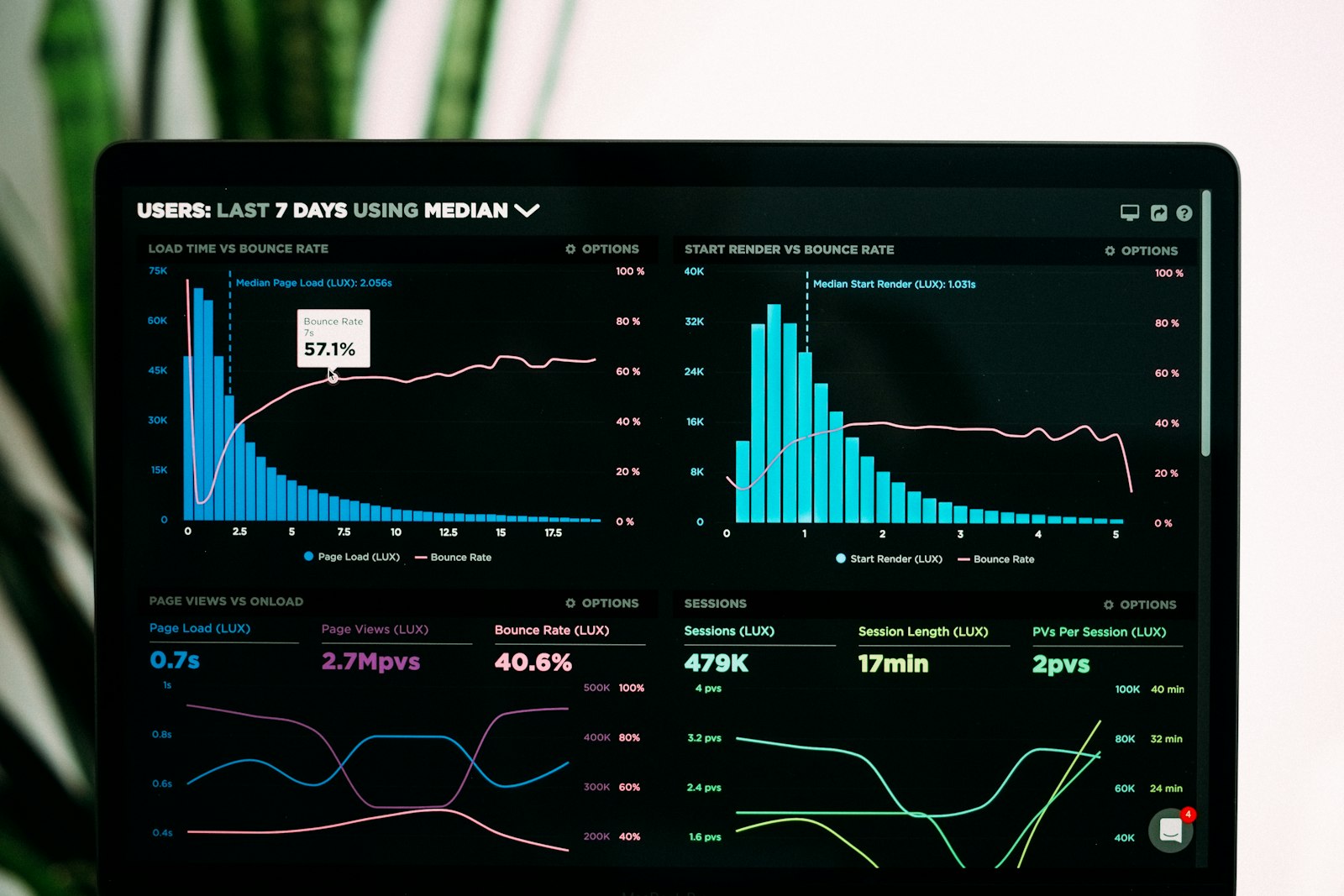
July 9, 2026
How to Use Awra's AI Narrative Across Multiple Weeks (Not Just One Day)
The AI narrative is most powerful as a longitudinal tool. Here's what to watch for across weeks, and how the patterns shift from day 7 to day 21 to month 1.
Read article →
July 6, 2026
Mood, Nutrition, and Sleep: The Three-Way Pattern Most Trackers Can't Show
Mood, nutrition, and sleep form a feedback loop visible only in cross-dimensional health data. Here's what the pattern looks like and how to recognize it in your own tracking.
Read article →
July 4, 2026
Your Weekend Health Patterns vs. Weekday: What the Data Gap Reveals
The Monday reset is not a feeling — it is a data event. Weekend and weekday routines produce two distinct rhythms across sleep, meals, hydration, and mood, and the gap between them is visible in cross-dimensional tracking.
Read article →
June 30, 2026
Exercise vs. Rest Days: How Your Hydration Needs Actually Shift in Your Data
Hydration needs aren't fixed. They shift with activity, sleep quality, and temperature — and the gap between rest days and exercise days is wider than most people realize.
Read article →
June 26, 2026
Meal Timing and Your Internal Clock: What Circadian Alignment Looks Like in Data
Your meal timing directly influences sleep quality and energy. Your body runs biological clocks for digestion, insulin, and metabolism — eating out of sync with them creates measurable downstream effects.
Read article →
June 22, 2026
Protein Timing and Energy: What Your Data Shows About When You Eat Matters
Total protein gets the attention. But the distribution across the day — front-loaded vs. back-loaded — appears alongside measurable differences in afternoon energy in research and tracking data.
Read article →
June 18, 2026
Potassium and Muscle Recovery: The Pattern Most Athletes Never Track
Potassium is the third leg of the electrolyte triad — but almost never tracked. Its deficiency pattern appears in hydration, sleep, and recovery data long before a blood test catches it.
Read article →
June 15, 2026
How Health Habits Show Up in Your Data Before You Notice Them
Before a habit feels automatic, it already appears in your data. Consistency signals in sleep timing, hydration, and nutrition precede the subjective sense of a habit being formed.
Read article → June 4, 2026
Your Morning Data Signature: What the First Hour of Tracking Reveals About Your Day
Sleep, hydration, breakfast — your morning data creates a signature that predicts afternoon energy. Here's what the research and your data show.
Read article →
June 1, 2026
How Awra's AI Actually Works — A Plain-Language Explanation
Awra's AI explained without jargon: what data it reads, what it does and doesn't do, and how your data moves. A rolling 7-day snapshot, GPT-4o, no name or contact data attached.
Read article →
May 28, 2026
Zinc and Iron: The Two Nutrients That Drive Energy Patterns Most Trackers Never Show
Iron deficiency is the most common nutritional shortfall globally. Zinc affects energy at the enzymatic level. Neither shows up in most tracking apps.
Read article →
May 17, 2026
What's Coming to Awra: Phone Health Sync and a Voice AI Analyst
Two new Awra features are in development: automatic Apple Health and Android Health Connect sync, and a voice AI health analyst that reads your 7-day summary out loud in your language.
Read article →
May 20, 2026
What Does My Health Score Actually Mean?
Understand what your fitness tracker's health score measures, why it changes, and how to use it—without needing a degree in kinesiology.
Read article →
May 22, 2026
What Vitamin D Patterns Actually Tell You About Your Year-Round Energy
Vitamin D is the most seasonal micronutrient most adults never track. Here's what its absence looks like in your energy, sleep, and mood data.
Read article →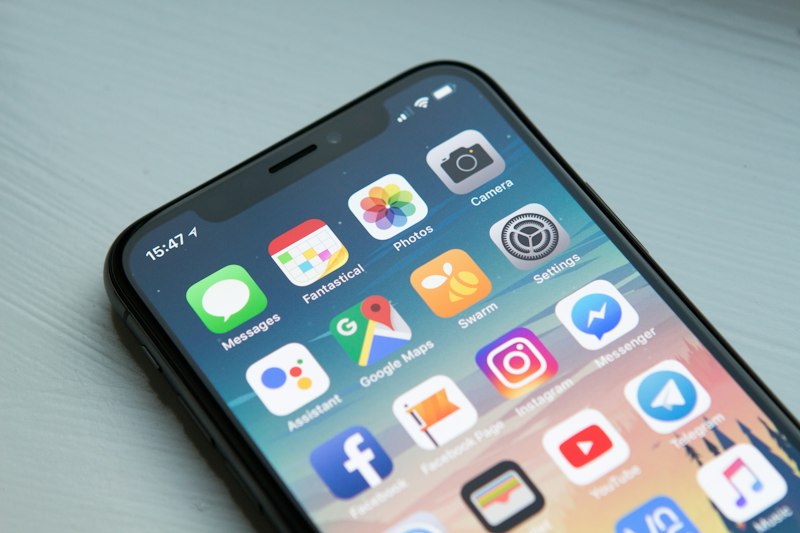
May 23, 2026
How to Read Your Apple Health Data (Without Getting Overwhelmed)
Apple Health tracks 100+ metrics. Here's where to find them, what they mean, and which ones actually matter for your health.
Read article →
May 26, 2026
Why 14 Days of Tracking Changes What You Can See in Your Health Data
Three days of health data is noise. Fourteen is signal. Here's why the minimum viable window for real patterns is longer than most trackers admit.
Read article →
May 27, 2026
What Does My HRV Mean? A Practical Guide to Heart Rate Variability
HRV shows your body's stress resilience. Here's how to read it, what high vs. low means, and why it matters more than resting heart rate.
Read article →
May 30, 2026
Normal Resting Heart Rate by Age — And Why Yours Might Be Higher or Lower
What's a 'normal' resting heart rate for your age? Here's the data—plus why your number is unique and what changes mean.
Read article →Comparisons
Awra vs other apps
Side-by-side breakdowns of features, platforms, privacy, and who each app is built for.